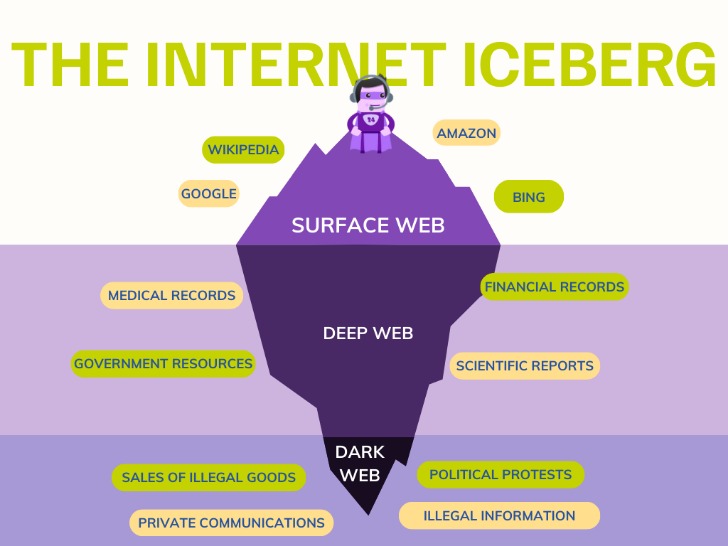
The dark web is a term that often evokes a sense of mystery and danger. This part of the internet is not indexed by traditional search engines and requires specific software to access. While it is often associated with illegal activities, it also serves legitimate purposes, such as ensuring privacy and anonymity. Understanding how to access the dark web safely and responsibly is crucial for anyone looking to explore this hidden segment of the internet.
What is the Dark Web?
The dark web (often referred to as the “dark net”, “black web”, or “black net”) is a small section of the deep web that is hidden and kept inaccessible to regular internet users on purpose. The deep web contains sites and pages that are often prevented from being indexed by search engines and contain unlinked content. First, let me explain that this article is intended for users who want to use the dark web for legal and needed purposes, such as finding censored news, blocked websites, and other much-needed services. Content includes non-indexed websites, apps, and resources, which can include protected information such as, online banking, specialized databases, non-linked and password-protected websites, and more.
Using a VPN first hides your connection to the Tor network and gives you better privacy ultimately. Tor only anonymizes your identity through its routing; while your ISP won’t know who you are, they will see that you connected to the Tor network. A VPN conceals this access and will protect you from unwanted trouble. Tor is designed to keep users anonymous, although there can never be any guarantees in life.
The dark web is a portion of the internet that is not accessible through standard browsers like Chrome or Firefox. Instead, it requires special software, the most common of which is the Tor browser. This browser enables users to surf the web anonymously by routing their connection through multiple servers, making their location and identity difficult to trace.
How to Access the Dark Web
Step 1: Downloading the Tor Browser
The first step to accessing the dark web is to download the Tor browser from the official Tor Project website. It is crucial to ensure you download it from a legitimate source to avoid malware or unintended exposure to harmful content.
Step 2: Enhancing Security
Before diving into the dark web, take the necessary steps to protect your personal information. Using a VPN (Virtual Private Network) can add an extra layer of security, as it masks your IP address and encrypts your internet traffic. Additionally, consider using a secure operating system, such as Tails, which is designed for privacy and anonymity.
- The third season follows the four families across time in the wake of the apocalypse in 2020.
- While it is not illegal as a whole, unsavory activity does live in many parts of the dark web.
- The darknets which constitute the dark web include small, friend-to-friend networks, as well as large, popular networks such as Tor, Hyphanet, I2P, and Riffle operated by public organizations and individuals.
- Botnets are often structured with their command-and-control servers based on a censorship-resistant hidden service, creating a large amount of bot-related traffic.
Step 3: Navigating the Dark Web
- Finally, you need to enter website addresses to access content on the dark web since you can’t browse by entering a search query as you can on the clear web.
- It consists of everything that is indexed by search engines like Google, Bing, and Yahoo.
- While a VPN is not required to access onion sites, it’s highly recommended to have one.
- Other dark web search engines include Not Evil, Torch, Haystack, and Ahmia.
- As such, you should exercise caution when accessing any unofficial dark websites.
Once you have the Tor browser set up, you can start exploring the dark web. However, be cautious about where you go. Use directories or search engines specifically designed for the dark web, such as DuckDuckGo on Tor, to find legitimate sites. Keep in mind that many sites can host illegal or dangerous content, so remain vigilant and use common sense.
Legitimate Uses of the Dark Web
While the dark web is often portrayed negatively, it also has several beneficial applications. For example, it serves as a platform for whistleblowers and journalists in oppressive regimes to communicate without fear of censorship or retaliation. Additionally, it provides a space for individuals seeking help in sensitive areas, such as mental health or addiction, to find support anonymously.
Risks of Accessing the Dark Web
Accessing the dark web carries inherent risks. Users may encounter illegal marketplaces, scams, and malicious software. It’s essential to avoid sharing personal information and to be cautious about clicking on links. Furthermore, engaging in illegal activities can lead to severe legal consequences.
Conclusion
Understanding dark web access is critical in navigating this complex and often misunderstood part of the internet. By following the proper precautions and remaining informed, users can explore the dark web safely and responsibly. Whether for legitimate reasons or simply curiosity, knowing how to access and navigate the dark web can empower individuals to make informed decisions.