The dark web is often shrouded in mystery and misinformation. While it is a part of the internet most known for illegal activities, there are various legitimate reasons why someone might want to access it. From protecting privacy to uncovering hidden information, understanding how to navigate the dark web safely is essential in today's digital landscape. This article will explore the process, necessary tools, and precautions one should take when venturing into these shadowy corners of the internet.
Understanding the Dark Web
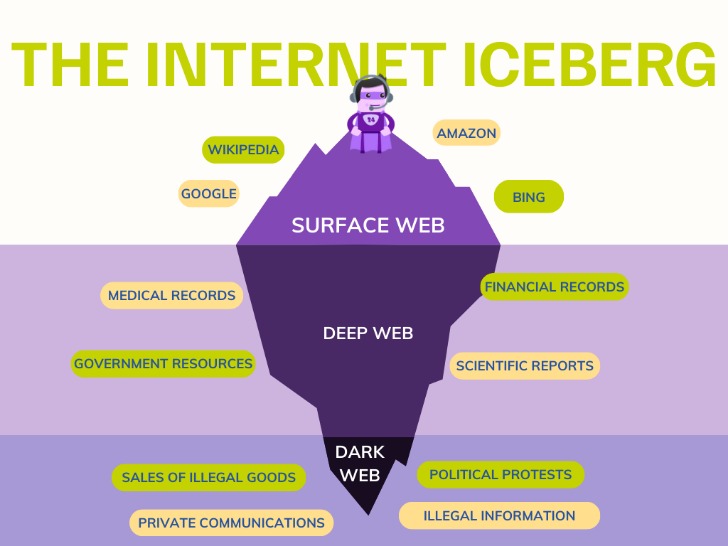
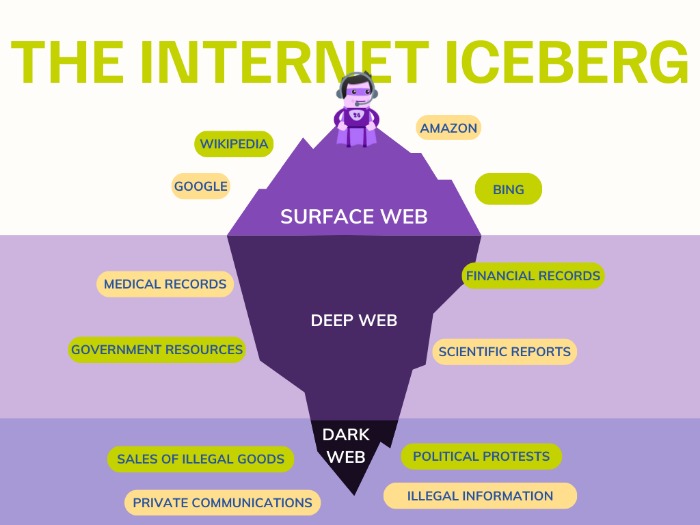
The dark web refers to a segment of the internet that is not indexed by standard search engines like Google or Bing. It requires specific software—most commonly, the Tor browser—to access. This segment of the internet is often confused with the deep web, which encompasses all parts of the web not indexed by traditional search engines but does not necessarily involve illicit activities.
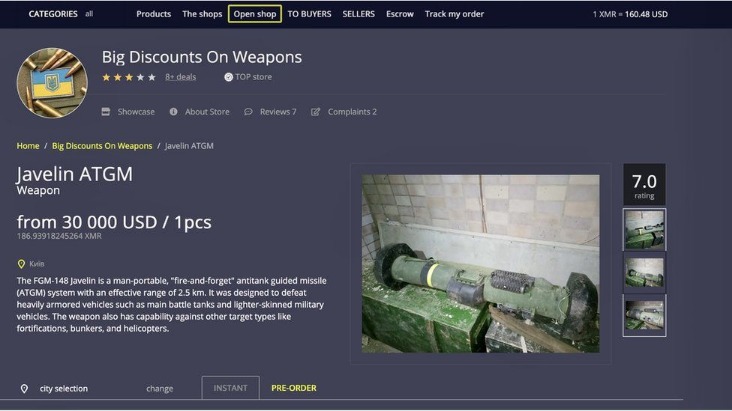
The dark web is rife with cybercriminals who offer their services either as individuals or as part of a group. Fraudulent activities on the dark web include phishing scams, fake identity sales, and the sale of fake products. Carding refers to the theft and illegal use of credit card information, and the dark web offers a platform for criminals to sell and buy such information. Due to its anonymity, carding, fraud, and counterfeiting businesses are thriving on the dark web. Among them was a Paraguayan man they believe was the network’s ringleader. In the operation, police dismantled multiple pedophile chat sites, detaining four suspects.
The primary purpose of the dark web is anonymous and private communication. It was known for facilitating the sale of illegal drugs, goods, and services using Bitcoin cryptocurrency. Deep down, the tip of the iceberg is where over 90% of the internet content is. This (practically) irreversible process highlights the importance of taking preventive measures by utilizing a service that monitors your data for potential breaches.
Why Access the Dark Web?
There are several reasons individuals may choose to access the dark web. Some of the most common include:
- Privacy and Anonymity: Users can communicate and share information without revealing their identities.
- Whistleblowing: Platforms on the dark web provide a safe space for whistleblowers to report corruption and injustice.
- Research Purposes: Journalists and researchers may use it to gather information that is not readily available on the surface web.
Getting Started with Dark Web Accessing
To navigate the dark web safely, follow these steps:
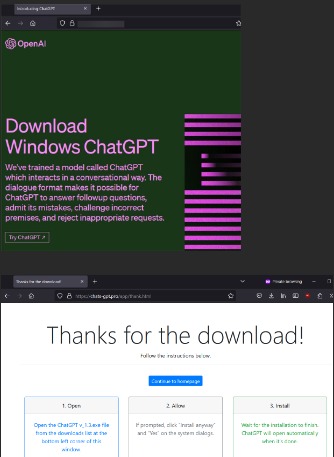
Download the Tor Browser
The Tor browser is essential for accessing the dark web. It allows users to browse anonymously by routing their internet connection through a series of volunteer-run servers, obscuring their IP address and location.
Enhance Security and Privacy
Taking extra security measures is crucial when accessing the dark web. Consider the following tips:
- Use a VPN: A Virtual Private Network adds an additional layer of security by encrypting your internet traffic.
- Keep Software Updated: Regularly update your operating system and any software you use to protect against vulnerabilities.
- Disable Scripts: Many sites on the dark web run scripts that can compromise your privacy. Use a browser extension to disable them.
Navigating the Dark Web
Once you have the necessary tools, you can begin exploring the dark web. Here are some tips to consider:
Finding .onion Sites
- Hyphanet (formerly Freenet) is another anonymous network that allows you to share and retrieve information without censorship.
- For example, Briar is an extremely private chat app designed to help journalists communicate anonymously with sources.
- However, this does not provide any extra security for your device or information.
- The dark web is web content that exists on darknets, which are overlay networks on the internet that require specialized software, configurations, and authorization to access.
Websites on the dark web often have .onion domains. You can find links to these sites through directories specifically designed for Tor users. However, be cautious as many links may lead to malicious content.
Understanding the Risks
While there are legitimate uses for accessing the dark web, it's essential to be aware of the associated risks:
- Malware: Many sites may host malicious software designed to compromise your device or steal information.
- Scams and Fraud: The anonymity of the dark web attracts scammers. Always verify the credibility of platforms before engaging.
Conclusion
Accessing the dark web can be both enlightening and risky. By understanding its nature, employing the right tools, and taking appropriate precautions, users can navigate this hidden part of the internet safely. Whether for privacy, research, or advocacy, being informed is key in making the most of the dark web while minimizing potential dangers.