The dark web black market is an intriguing and often misunderstood aspect of the internet. While many associate the dark web with illegal activities, it's essential to understand how it functions, what can be found there, and the potential risks involved. This article explores the nature of the dark web black market, educating readers on its operation and implications for individuals and society at large.
When everything in the world started the shift from analog to digital – or rather, from non-networked and offline to networked and online – so, too, did the idea of a black market. We first explore how the concept of currency evolved into a digital, anonymous form – a critical component of the modern vulnerabilities and illicit goods black market. They offer very high price-performance for network users who require high performance, such as Google, which has dark network capacities for video and search data, or wish to operate their own network for security or other commercial reasons.
Due to the decentralized nature of these markets, phishing and scam sites are often maliciously or accidentally referenced. Dark web news and review sites such as the former DeepDotWeb, and All Things Vice provide exclusive interviews and commentary into the dynamic markets. The dedicated market search engine Grams (closed December 2017) allowed the searching of multiple markets directly without login or registration. The majority of the marketplaces are in English, but some have opened in Chinese, Russian, and Ukrainian. This led to the rise of Dread, the dedicated darknet discussion forum and the news site Darknetlive (since closed).
What is the Dark Web?
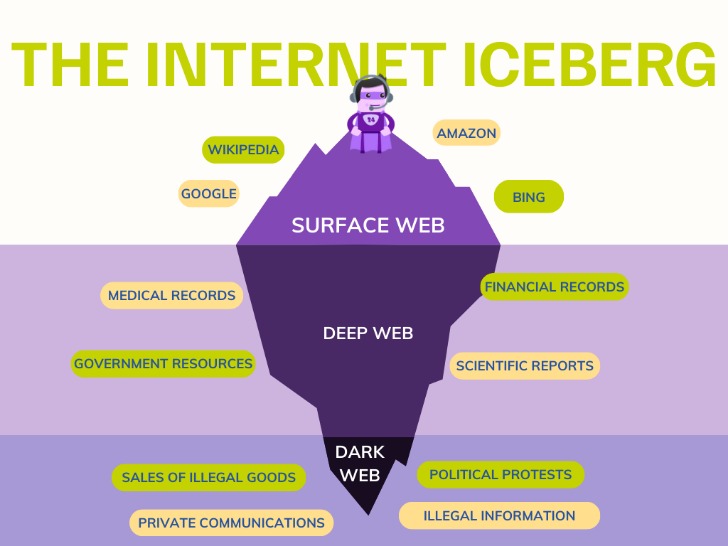
The dark web is a part of the internet that is not indexed by traditional search engines. It requires specific software, configurations, or authorization to access. The most well-known method of entering the dark web is through the Tor network, which anonymizes users’ identities and activities.
Accessing the Dark Web
- Where things get illegal is on the dark web – or black market, consisting of 6% of the web.
- With advanced dark web monitoring, threat intelligence, and brand protection services, we help you uncover hidden dangers, prevent data breaches, and safeguard your reputation.
- It has been considered a "proto-Silk Road" but the use of payment services such as PayPal and Western Union allowed law enforcement to trace payments and it was subsequently shut down by the FBI in 2012.
- The Dark Web is a place where sellers of illegal drugs, identities, information (passwords, account numbers, etc.) weapons, and many other illegal forms of physical materials and digital information look to traffic these materials across borders.
- Whatever the risk involved, some users of the Internet felt that being told what they can and cannot possess, physical or digital, was akin to oppression.
- Nowadays, 0days in Windows, for example, are frequently exploited for either zombie malware or ransomware – a virus that encrypts your personal data and requires you pay a ransom within a few days, or the key to unlock your data gets destroyed and you lose it forever.
- Tor Browser: A popular tool allowing access to .onion sites, which are unique to the dark web.
- VPN Services: Used to enhance online security and privacy by masking IP addresses.
The Black Market: What Can Be Found?
The dark web black market serves as a platform for buying and selling a variety of goods and services. While some items are legal, many involve illicit activities. Here’s a categorized overview:
Types of Goods and Services
- Illegal Drugs: From marijuana to synthetic drugs, many dealers sell various substances.
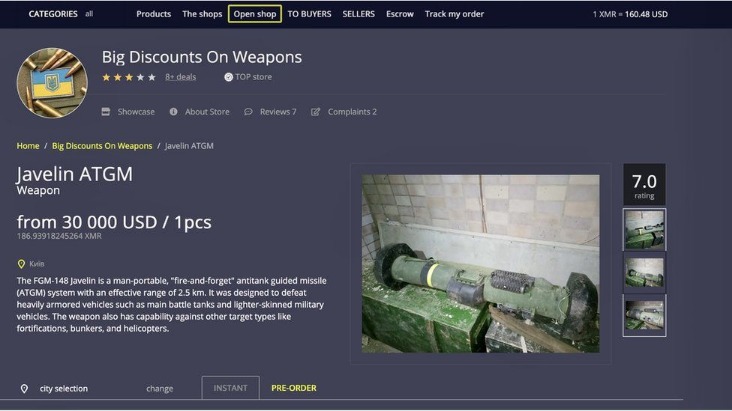
- Weapons: Firearms and explosives can be found on certain markets.
- Stolen Data: Personal information such as credit card details and identities are frequently sold.
- Counterfeit Goods: Fake luxury items and documents are often marketed.
- Hacking Services: Individuals may offer skills for hire to hack into systems or steal data.
Risks Associated with the Dark Web
Engaging with the dark web black market involves significant risks, including:
- Legal Consequences: Many activities on the dark web are illegal and can lead to severe penalties.
- Scams and Fraud: Many vendors are untrustworthy, leading to potential financial losses.
- Exposure to Cybercrime: Engaging with illicit markets can expose users to malware and hacking attempts.
Staying Informed and Safe
While the dark web holds a wealth of information and potential dangers, being informed is the first step toward safety. Here are ways to stay informed:
- Research reputable sources regarding the dark web.
- Engage in discussions that shed light on the implications of dark web activities.
- Understand the laws in your jurisdiction concerning internet use and privacy.
FAQs
What is the difference between the dark web and the deep web?
The deep web refers to parts of the internet that are not indexed by search engines and includes databases and private websites. In contrast, the dark web is a subset of the deep web that operates anonymously and often hosts illegal content.
Is accessing the dark web illegal?
Accessing the dark web is not illegal in itself. However, engaging in illegal activities, such as purchasing prohibited items or services, is against the law.
Can law enforcement monitor the dark web?
Yes, law enforcement agencies do monitor the dark web to track illegal activities and gather evidence against offenders, using advanced techniques to de-anonymize users when necessary.
Understanding the dark web black market is crucial for staying informed in today's digital age. Awareness of its operation and potential risks can empower individuals to navigate the internet safely and responsibly, making informed decisions while engaging with this complex realm.