The dark web often evokes a sense of mystery and intrigue, but it is crucial to understand what it truly is and how to navigate it safely. The term refers to parts of the internet that are not indexed by traditional search engines and require specific software to access. This article will guide you through the intricacies of dark web entry, shedding light on its purposes, risks, and safety measures for those who seek to explore this hidden digital landscape responsibly.
What Is the Dark Web?
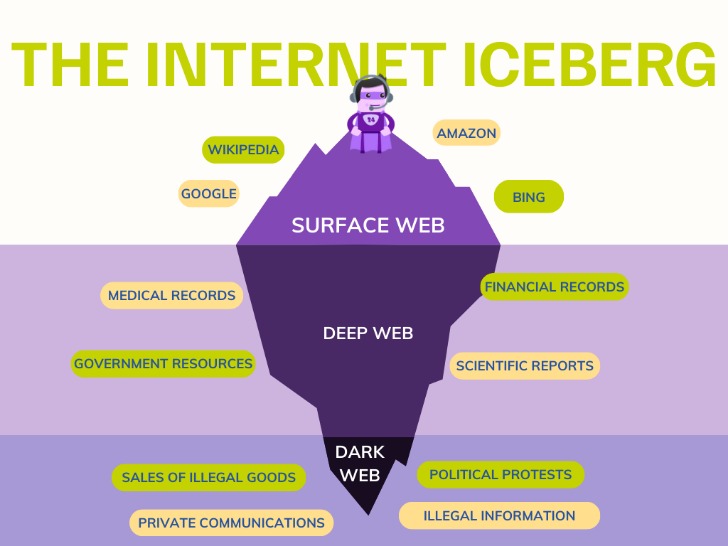
The dark web, by contrast, is configured on darknets — online networks that can be accessed only with special software and techniques. The difference between the dark web and the deep web is that the deep web refers to websites and web pages that aren’t indexed by search engines, like login pages and payment portals. The dark web is a subset of the deep web, which is all content on the internet that isn't indexed by search engines. The dark web refers to content on the internet that is intentionally hidden and requires special software like Tor Browser to access. You can browse the regular internet or access Lokinet-exclusive SNApps (onion-style services).

The dark web is a segment of the internet that is deliberately hidden and inaccessible to standard web browsers. It operates on an encrypted network and often requires special tools, such as Tor (The Onion Router), for entry. While the dark web is often associated with illegal activities, it also serves legitimate purposes.
Common Uses of the Dark Web
- Whistleblowing: Activists and journalists can communicate safely, sharing sensitive information without fear of retribution.
- Privacy-Seeking Communication: Individuals in oppressive regimes may use the dark web to express their views and connect with others anonymously.
- Research Purposes: Scholars and cybersecurity experts study the dark web to understand illicit markets and cybercriminal behaviors.
- Forums for Discussion: Niche communities engage in discussions on various topics without the concern of censorship.
How to Access the Dark Web Safely
Accessing the dark web should be approached with caution. Here’s how to ensure a safer experience:
- Use a VPN: Before accessing the dark web, use a Virtual Private Network (VPN) to enhance your anonymity and protect your identity.
- Download the Tor Browser: This specialized browser allows you to surf the dark web securely by routing your connection through multiple nodes for anonymity.
- Stay Informed: Educate yourself about the potential risks and illegal activities that exist on the dark web to avoid any dangerous encounters.
- Limit Personal Information: Always avoid sharing personal or identifiable information while browsing.
- Access Only Trusted Sources: Approach websites on the dark web with skepticism. Only visit sites that are well-reviewed or recommended by trusted sources within the community.
Risks Involved with Dark Web Entry
- DuckDuckGo’s no-track dark web search service can be accessed in the Tor browser and is an excellent resource for information about the dark web.
- It serves as a directory for many best deep web sites, from news outlets, forums, search engines, and Tor services to name a few.
- Millions of customers’ personal data, including names, addresses, bank account and credit card account information, and many other forms of sensitive data.
- The users of the dark web are typically aiming to block governments from snooping on them.
While the dark web presents opportunities for privacy and free expression, it also harbors significant risks:
- Exposure to Illegal Activities: Many sites facilitate illegal trades, which can draw unwanted attention from law enforcement.
- Cybersecurity Threats: The dark web can expose users to malware, phishing attacks, and scams that can compromise personal safety and security.
- Legal Consequences: Accessing certain content or engaging in illegal activities on the dark web can lead to serious legal repercussions.
Frequently Asked Questions (FAQs)
1. Is the Dark Web illegal?
The dark web itself is not illegal, but it contains many illegal activities. Engaging in or facilitating these activities is against the law.
2. What is the difference between the dark web and the deep web?
The deep web consists of unindexed content such as databases and private systems; the dark web, on the other hand, is a small portion of the deep web that requires specific software, like Tor, to access.
3. Can I be tracked on the dark web?
While it is more challenging to track users on the dark web, it is not impossible. Using a VPN and the Tor browser can enhance your anonymity but cannot guarantee complete safety.
Understanding the dark web and the implications of dark web entry is essential in a digital age where privacy and security are paramount. Whether for legitimate purposes or exploration, always prioritize safety and informed decision-making. Knowledge is your best defense against the unseen dangers lurking in the depths of the internet.