The dark web access is often shrouded in mystery and intrigue, often portrayed as a haven for illicit activities. Yet, it also serves essential purposes, including privacy for journalists, whistleblowers, and individuals seeking freedom of expression in oppressive regimes. This article aims to demystify the dark web access, explaining what it is, how to navigate it safely, and its implications for users.
What is the Dark Web?
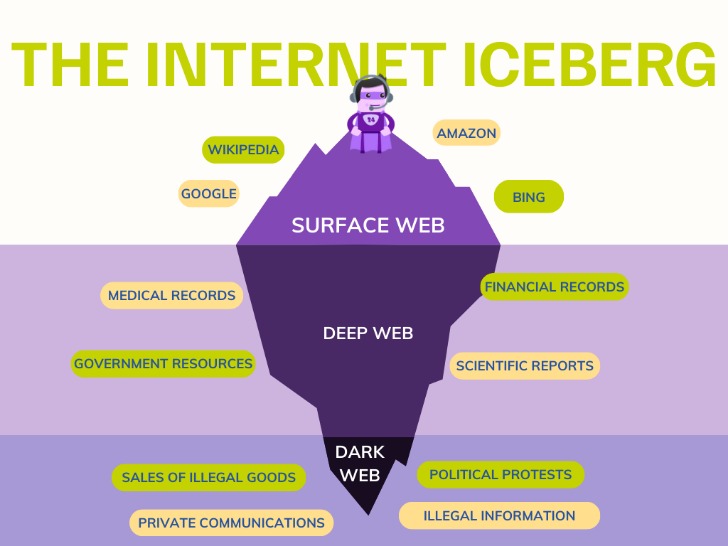
The dark web comprises parts of the internet that are not indexed by traditional search engines like Google. It is often accessed using specialized software, the most common being Tor (The Onion Router). The dark web is sometimes confused with the deep web, which includes all parts of the internet not indexed by standard search engines, such as private databases and password-protected websites.
How to Access the Dark Web
To obtain dark web access, users typically follow these steps:
1. Download Tor Browser
On the deep web, you can find such “private” information on web pages. The majority of the web is called the “deep web” (often referred to as the “invisible” or “hidden” web). That means that only 0.024% of all the known pages are findable in Google’s search engine.
The Tor Browser is the primary tool for accessing the dark web. It anonymizes your internet connection, helping to protect your identity and activity from prying eyes. The browser is built on Mozilla Firefox and comes pre-configured to use the Tor network.
2. Ensure Security Measures
Before accessing the dark web, it's crucial to enhance your security. Consider using a VPN (Virtual Private Network) to add an extra layer of anonymity. Additionally, avoid providing personal information and disable JavaScript in your browser settings.
3. Navigate with Care
Once you have the Tor Browser set up, you can start exploring. Use directories tailored to the dark web rather than random links found on standard search engines. These directories help ensure you're accessing legitimate sites rather than scams or dangerous content.
Common Uses of the Dark Web
The dark web is often associated with illegal activities, but it also serves several legitimate purposes:
1. Privacy Protection
- It’s like in those movies where the doctors are experimenting on deadly viral strains from behind the safety of a glass enclosure.
- Check around with other users and ask if they know anything about the new marketplace.
- Each network has unique protocols, privacy guarantees, and user bases, shaping the type of content and services available.
- As long as users take the necessary precautions, no one knows who anyone else is in the real world.
- The deep web is in between the surface web and the dark web, and it constitutes the large majority of the actual internet.
For individuals living in oppressive regimes, the dark web can provide a safe space to express views and share information without fear of repercussions. Journalists and activists often rely on dark web platforms to communicate securely.
2. Secure Communication
Encrypted messaging services on the dark web allow users to communicate without the risk of being surveilled. This can be invaluable for whistleblowers or individuals needing to discuss sensitive topics.
3. Research and Development
Academics and researchers utilize the dark web to study cyber threats, illicit markets, and the behaviors of individuals operating in the shadows of the internet. This research aids law enforcement and cybersecurity efforts, ultimately benefiting broader society.
Risks and Precautions
While dark web access can be beneficial, it comes with inherent risks:
1. Legal Consequences

Engaging in illegal activities on the dark web can result in serious legal repercussions. Users should be aware of their actions and understand the laws governing their jurisdictions.
2. Scams and Malware
The dark web is rife with scams and malicious software. Users must exercise caution, identifying reputable sources and avoiding unverified links and downloads.
3. Exposure to Harmful Content
Many sites within the dark web host disturbing or illegal content. Users should mentally prepare themselves and consider whether exploring such materials is worth the potential psychological impact.
Conclusion
Understanding dark web access is crucial in today's digital age. While it holds potential dangers, it also offers unique resources for those needing privacy and security. By taking proper precautions and staying informed, users can navigate this complex part of the internet safely and responsibly.