The dark web has become a topic of intrigue and concern, drawing attention from various sectors, including law enforcement and cybersecurity experts. One of the most alarming aspects of this underbelly of the internet is the trade in stolen credit card information. Understanding how dark web credit cards work is essential for safeguarding your financial information and protecting yourself from potential fraud. This article will provide insights into the mechanisms behind this phenomenon and the steps you can take to stay informed and secure.
What is the Dark Web?
- But first, how big of a problem is credit card fraud on the dark web?
- For instance, in Germany, a 2021 investigation led to the conviction of a man who purchased stolen credit cards on the dark web, resulting in a six-year prison sentence and substantial fines.
- The DoJ stated at the time that Ngo had made a total of $2 million from selling personal data.
- You could also unknowingly give out your information via phishing scams or get compromised by spyware or malware that records keystrokes.
- The Quantas Airways data breach resulted in stolen data posted on the dark web.
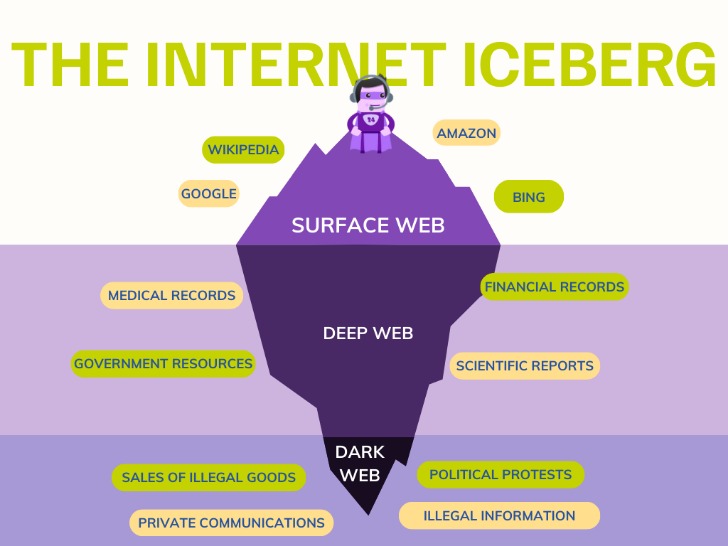
The dark web is part of the internet that isn't indexed by traditional search engines. It is often accessed using specific software, such as Tor, which anonymizes user activity. While some individuals utilize the dark web for privacy and free speech, it has also become a platform for illegal activities, including the sale and distribution of stolen credit card information.
How Do Credit Card Transactions Occur on the Dark Web?
Dark web credit cards are typically obtained through various illicit means, including data breaches, phishing scams, and hacking. Once the information is acquired, it can be sold for a profit on various forums and marketplaces within the dark web.
Fraudsters often use these stolen cards to make online purchases, transferring the financial burden to the cardholder while remaining undetected. This creates significant challenges for financial institutions and law enforcement agencies as they work to track down these elusive cybercriminals.
These directories provide a list of popular marketplaces, forums, and other websites, making it easier to discover and access them. However, with the right approach and tools, individuals can discover these hidden marketplaces. This renders them useless for fraudulent activities, leading to a loss of investment. Fraudsters may try to deceive buyers by sending malicious software or attempting to steal their personal information.
- From a merchant perspective, “the adoption of EMV worldwide has significantly improved security around brick-and-mortar stores” at the POS terminal, says Capezza.
- Understanding the various techniques and technologies these institutions deploy can clarify how they effectively detect and prevent carding activities.
- The breach, which occurred on December 25, 2024, exposed sensitive personal information of over 364,000 individuals, raising concerns about data broker security practices.
- While this doesn’t eliminate all types of card fraud (such as online transactions), it significantly hampers criminals’ ability to use physically cloned cards in brick-and-mortar stores.
- The attack is linked to a larger, ongoing campaign by the hacking group ShinyHunters, which uses social engineering tactics to exploit weaknesses in Salesforce integrations to steal data from a wide range of companies.
- Using an unsecured WiFi network, such as one that is public, can place all of your sensitive data at risk due to Man-in-the-Middle (MITM) attacks.
The Risks Involved
For victims, the risks associated with dark web credit cards can be severe, including extensive financial loss and identity theft. Once a card number is compromised, it can lead to unauthorized transactions, impacting your credit score and financial stability. Furthermore, recovering from such incidents can be a lengthy and difficult process.
Protecting Yourself from Dark Web Threats
Staying informed about the risks connected to the dark web is critical for defense against potential threats. Here are some essential steps you can take to protect yourself:
1. Monitor Your Financial Statements
Regularly review your bank and credit card statements for unauthorized transactions. Report any suspicious activity immediately to protect yourself and prevent further losses.
2. Use Strong Passwords

Employ complex and unique passwords for your online accounts. Consider using a password manager to keep track of these passwords securely.
3. Enable Two-Factor Authentication
Where possible, activate two-factor authentication for your accounts. This adds an extra layer of security by requiring a second form of verification when logging in.
4. Be Cautious with Personal Information
Be mindful of the information you share online, particularly on social media. Personal details can be exploited by criminals to access your accounts.
5. Educate Yourself and Others
Your awareness and understanding of the dark web credit card issue can significantly enhance your security. Sharing knowledge with friends and family can also prepare them to guard against potential threats.
Conclusion
The trade in dark web credit cards poses a significant threat to consumers and financial institutions. Understanding how this illicit market operates allows individuals to take proactive measures to protect themselves against identity theft and financial fraud. By remaining vigilant and informed, you can safeguard your personal and financial information in an increasingly digital world.