The dark web access has become a topic of significant interest in recent years. While often associated with illicit activities, it is essential to understand its broader context, the technology behind it, and the potential risks and benefits of accessing this hidden part of the internet. This article aims to shed light on what the dark web is, how to access it safely, and the precautions one should consider.
Dark Web Access
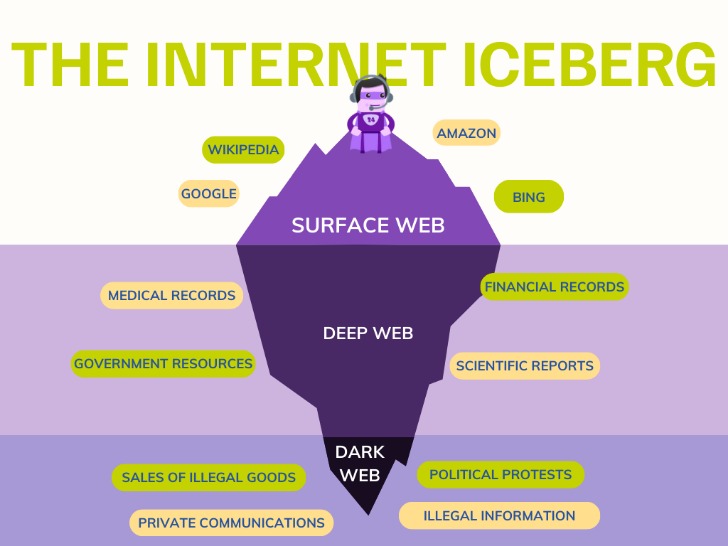
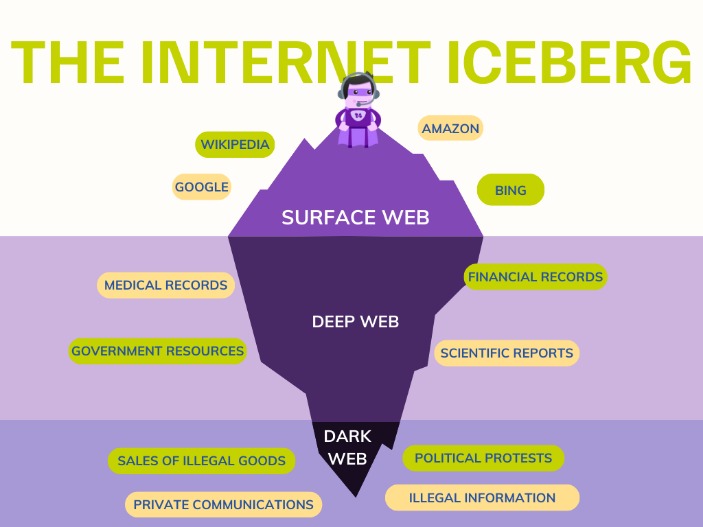
The dark web is a part of the internet that is not indexed by traditional search engines like Google or Bing. It requires specific software and configurations to access, with the most common method being the use of Tor (The Onion Router). Here’s a deeper look at how to safely navigate this obscure digital realm.
What is the Dark Web?
Others may act in ways that are illegal for the protection and safety of others. But of course, these benefits can be easily extended to those that want to act outside of the constraints of laws in other explicitly illegal ways. As such, the dark web has attracted many parties who would otherwise be endangered by revealing their identities online. Understanding that the nature of the internet meant a lack of privacy, an early version of Tor was created to hide spy communications. Illegal cyber activity cannot necessarily be stumbled upon easily but tends to be much more extreme and threatening if you do seek it out.
The dark web is often confused with the deep web, which encompasses all online content not indexed by standard search engines, including databases, private networks, and more. In contrast, the dark web is a small portion of the deep web that has been intentionally hidden and is inaccessible through standard web browsers. It hosts various websites, forums, and services, some of which can be legitimate and others that may promote unlawful activities.
How to Access the Dark Web Safely
Accessing the dark web involves a few critical steps. Here’s a guide:
- Download Tor Browser: The primary gateway to the dark web is the Tor browser, designed to anonymize your web activity. This software routes your connection through multiple servers, making it difficult to trace.
- Use a VPN: To enhance security and privacy further, consider using a Virtual Private Network (VPN) alongside Tor. This adds an additional layer of protection by encrypting your internet traffic.
- Create a Secure Environment: Make sure your computer is secure by installing antivirus software and keeping your system updated. Avoid sharing personal information online.
- Access Dark Web Links: Websites on the dark web typically utilize .onion domains. These can be found on various directories or forums collaborating with the dark web community.
Risks Associated with Dark Web Access
Engaging with the dark web can expose users to several risks, including:
- Illegal Content: Many sites host content that can be unlawful, including drugs, weapons, and stolen data.
- Scams and Fraud: The anonymous nature of the dark web can often lead to scams, where users may lose money or personal data.
- Security Threats: There are numerous malware threats. Always ensure robust security measures are in place.
- Legal Consequences: Accessing certain types of content can have legal ramifications depending on your jurisdiction.
Legitimate Uses of the Dark Web
While much of the dark web is sensationalized, it has legitimate use cases, including:
- Whistleblowing: Platforms enabling whistleblowers to safely disclose information without fear of persecution.
- Privacy Protection: Individuals in oppressive regimes utilize the dark web to communicate and access uncensored information.
- Research: Journalists, activists, and researchers may explore the dark web for credible information and data.
- Hypothetically speaking, Google may be aware of well over 200 trillion individual pages (these are obviously NOT all indexed in the search engine).
- The dark web presents various threats, including malicious software and computer viruses, posing risks to users' systems and data security.
- Instead of site names that are easy to memorize, such as CNN.com or Google.com, Tor sites are made up of a random series of numbers and letters.
- Learn how CrowdStrike can help protect your brand and data with CrowdStrike Falcon® Adversary Intelligence.
- “Try ITarian free and streamline IT operations—cloud ticketing, remote access, and patch management with zero setup cost”
FAQs About Dark Web Access
Is it legal to access the dark web?
Accessing the dark web in itself is not illegal, but engaging in illicit activities found there can lead to legal consequences.
What to do if I encounter illegal content?
It’s recommended to exit the website immediately and consider reporting it to relevant authorities.
Can I be tracked on the dark web?
While Tor provides anonymity, complete anonymity cannot be guaranteed. Users should still practice caution.
Is the dark web safe?
It can be safe with the right precautions, but risks are inherent. Users should be aware and staying informed can help mitigate dangers.
In conclusion, understanding dark web access can empower individuals. While it poses certain risks, it also offers unique opportunities for privacy and information dissemination. Always prioritize security and awareness when navigating this hidden facet of the internet.