In the vast expanse of the internet, certain corners remain hidden from plain view, often referred to as the "dark web." Among its most notorious elements are the dark markets, which function as online marketplaces for various goods and services, often operating outside the bounds of legality. Understanding how these markets work is vital for anyone looking to navigate the complexities of the internet securely. This article delves into the realm of dark markets, exploring their operations, risks, and implications for society.
- People often venture into the dark web out of curiosity or for cybersecurity research, yet it remains a risky environment where caution is essential.
- Fresh Onions constantly crawls the dark web to discover and map new onion services as they appear.
- While it is still a relatively new and evolving illicit bazaar, it is attracting many vendors due to its low listing fees and a promise of an anti-scam system.
- In general, all markets support the Tor network, but we also found that some additionally support the I2P network.
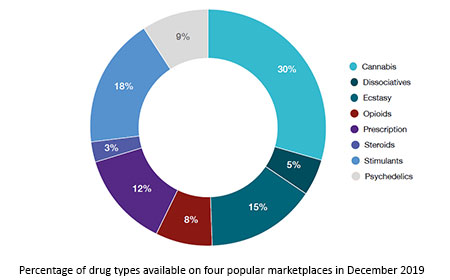
To protect against guard node deanonymization he recommends obfuscating traffic by investing in Tor relays which the market site will exclusively use. Nachash, former proprietor of Doxbin, wrote a guide in early 2015 entitled So, You Want To Be a Darknet Drug Lord … Markets such as the original Silk Road would refuse to list anything where the "purpose is to harm or defraud, such as stolen credit cards, assassinations, and weapons of mass destruction". Whilst a great many products are sold, drugs dominate the numbers of listings, with the drugs including cannabis, MDMA, modafinil, LSD, cocaine, and designer drugs.
Some believe STYX is the OG darknet market when it comes to financial crimes. The market has built trust among users as it brings vendor reviews from different places and then verifies them with PGP signatures – that way, the buyers feel confident. In fact, it now features more than 11,600 illegal items, which include hacking tools, hard drugs, and all types of cybercrime services. The market started in 2021 in Canada and features both international and Canadian users. The stolen data can be just anything from full names, credit card details, passwords to social media accounts, bank account information, and social security details, among others.
What are Dark Markets?
Dark markets are online platforms that facilitate the buying and selling of illicit goods and services. These can range from illegal drugs and firearms to stolen data and hacking services. These markets typically operate on the dark web, requiring specific software such as Tor to access them, which anonymizes users and their activities.
Characteristics of Dark Markets
Several key features define dark markets:
- Anonymity: Both buyers and sellers often use pseudonyms and cryptocurrency to remain untraceable.
- Decentralization: Many dark markets are not tied to a single server or location, making them difficult to shut down.
- Reputation Systems: Users typically rely on feedback and ratings to assess the reliability of sellers, similar to traditional e-commerce platforms.
The Types of Goods and Services Available
The offerings on dark markets are diverse but predominantly illicit. Some common categories include:
- Drugs: A significant portion of transactions involves illegal substances, which can be delivered discreetly.
- Hacking Services: Users may find services for hacking into personal accounts, websites, and networks.
- Stolen Data: This includes personal information, credit card details, and login credentials available for purchase.
Popular Dark Markets
Over the years, various dark markets have risen and fallen. Examples include Silk Road, AlphaBay, and Dream Market. Each market typically has its unique structure, user base, and products. However, law enforcement agencies have made significant strides in shutting down many of the more prominent platforms, demonstrating the ongoing cat-and-mouse game between illicit operations and legal authorities.
Risks and Consequences
Engaging with dark markets comes with considerable risks:
- Legal Risks: Purchasing illegal goods can lead to severe legal repercussions, including imprisonment.
- Fraud: The anonymous nature of dark markets leaves users vulnerable to scams, with many buyers falling victim to fraudulent sellers.
- Security Risks: Users may expose themselves to malware or hacking attempts when navigating these markets.
Conclusion
While dark markets offer a glimpse into an underground economy driven by anonymity and illicit activities, they pose significant dangers for users. Knowledge about how they function and the associated risks is crucial for safely navigating the internet's darker corners. Awareness and education can empower individuals to make informed decisions, ultimately promoting a safer digital landscape.