Private sector firms and individuals must request authorization from a government-operated currency commission to purchase hard currency to pay for imports and for other approved uses (e.g., foreign travel). A more recent black market trade in bolivar currency notes has become increasingly profitable in the border states of Tachira and Zulia and neighboring states of Merida and Barinas. One such trade-based scheme is the black market peso exchange, through which money launderers provide narcotics-generated dollars from the United States to commercial smugglers, travel agents, investors, and others in Colombia in exchange for Colombian pesos.
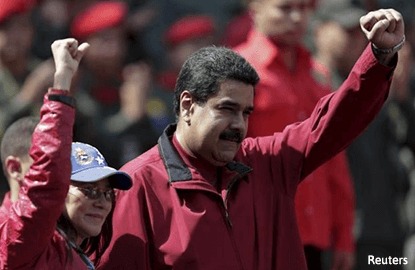
Colombian law enforcement and customs officials reported that more than 90 percent of commerce in the border region was related to black market goods and services. The porous border between Venezuela and Colombia has also created a burgeoning black market. Venezuela’s proximity to drug source points and its status as a drug transit country, combined with weak AML enforcement and lack of political will, limited bilateral cooperation, and endemic corruption, make Venezuela vulnerable to money laundering and financial crimes. Ironically, this has turned Venezuela into a two-tiered society composed of those who can get dollar and sell them in the black market and those who cannot and have to manage with what little comes their way. Since President Maduro took office in 2013, after the late Hugo Chavez, the value of the bolivar in the black market has dropped to from 23 to 71 against the dollar.
“It is perfectly normal for people to get their money abroad and out of Venezuela.” “At the time, and even today, everyone in Venezuela is trying to protect their money, to have it in dollars,” said Marianella Perez-Majul de González. But the permuta system became so dominant that it undermined the government’s currency and inflation controls.
In recent years, dark markets Venezuela have emerged as a significant topic of discussion among researchers, economists, and ordinary citizens alike. These hidden corners of the internet offer a range of goods and services, often beyond the reach of legal frameworks and societal norms. Understanding how these markets operate, the risks involved, and their wider implications is crucial for anyone seeking to navigate the complexities of today’s digital landscape.
Understanding Dark Markets
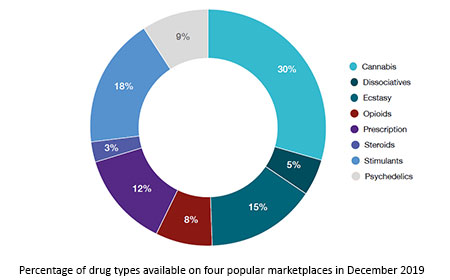
Dark markets refer to online platforms that facilitate the buying and selling of illegal or illicit goods and services. These markets often rely on cryptocurrency for transactions, providing anonymity to both buyers and sellers. In Venezuela, where economic conditions have led to scarcity and high inflation, dark markets have become a source of essential items for many.
- His lawyers claimed that financial instruments issued by the bank to dump Venezuelan government debt, called “credit linked notes,” were used by Illarramendi and a co-conspirator.
- Goldman Sachs has added to market optimism by lifting its 12-month forecasts for the Stoxx 600 and the FTSE 100 this morning.
- Yesterday, shares in US energy companies jumped on hopes that they could profit from Venezuela’s oil reserves.
- Venezuela’s financial intelligence unit, La Unidad Nacional de Inteligencia Financiera (UNIF), is supervised by the Superintendent of Banking Sector Institutions, which prevents UNIF from operating independently.
- Price controls, currency controls and the lack of dollars the government provides mean that importers no longer have the incentive to bring in goods.
Economic Factors Influencing Dark Markets in Venezuela
The dire economic situation in Venezuela has birthed a unique environment for dark markets Venezuela. Hyperinflation, shortages of basic necessities, and government restrictions have pushed many individuals to seek alternatives online. The lack of access to everyday products, from food to medicines, has led to a burgeoning demand for goods available on these unregulated platforms.
The Role of Cryptocurrency
Cryptocurrency plays a pivotal role in the functioning of dark markets. In Venezuela, where the national currency has plummeted in value, cryptocurrencies like Bitcoin offer a more stable medium of exchange. This not only allows users to transact without the direct oversight of authorities but also helps maintain the privacy of those involved in these transactions.
Risks Associated with Dark Markets
While dark markets can provide immediate access to goods, there are significant risks involved. Not only do buyers expose themselves to the possibility of fraud and scams, but they may also face legal repercussions. Venezuela's government has taken steps to combat these online platforms, which can heighten the danger for users.
Legal Implications
Engaging in transactions through dark markets can expose individuals to legal action, as authorities monitor these platforms for illicit activities. In Venezuela, participating in these markets can lead to severe penalties, affecting one’s personal and professional life. Understanding the legal landscape is essential for anyone considering using these platforms.
Health and Safety Concerns
- The tanker, identified as Skipper by maritime analysts Vanguard, was a very large crude carrier (VLCC) and is thought to have been carrying about 1.1m barrels of oil, loaded in Venezuela’s main oil port last week.
- For those who quietly oppose the Maduro government, they hope they’re finally seeing the end of a dark period of their history.
- The second season takes place several months after the first, depicting the initial stories in 2020, 1987, and 1954, respectively, while continuing the future-set storyline into 2053, and adding a fifth storyline, set in 1921.
- Although the US has seized sanctioned oil tankers before, Wednesday’s action is notable for the dramatic nature of the operation.
- “There’s nothing in the supermarkets because of the buhoneros,” said Ana Pérez, 60, walking past Rodríguez and the other vendors in Petare.
In addition to legal issues, health and safety are critical concerns. The nature of products available on dark markets can often include counterfeit or dangerous items. For instance, purchasing pharmaceuticals from unverified sources can lead to adverse health effects. Therefore, awareness and caution are paramount for individuals considering such transactions.
Conclusion
As the economic climate in Venezuela continues to evolve, the presence of dark markets Venezuela is likely to persist. While these platforms offer a temporary solution to scarcity, they come with risks that can have lasting consequences. By staying informed about how these markets operate and the potential dangers involved, individuals can make better decisions that prioritize their safety and well-being in a challenging environment.