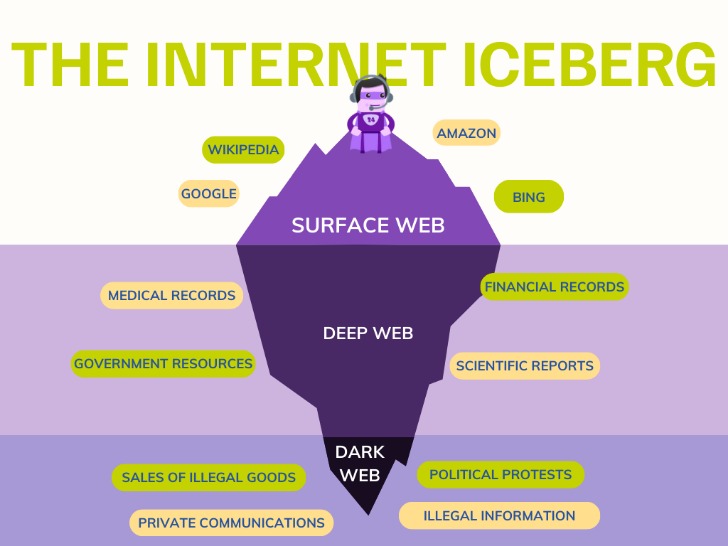
The concept of dark net markets often evokes a sense of intrigue and fear, bringing to mind images of illicit activities hidden behind layers of encryption. However, understanding these markets goes beyond sensational headlines; it is essential for informed discussions about cybersecurity, privacy, and the digital economy. This article will provide a comprehensive overview of what dark net markets are, how they operate, their implications for society, and the measures individuals can take to navigate them safely.
Some of these events appear to be linked to North Korean IT workers, who have been increasingly infiltrating crypto and web3 companies, compromising their networks, and using sophisticated tactics, techniques, and procedures (TTPs). Below, we’ll take a closer look at three key trends that defined crypto crime in 2024 and will be important to watch going forward. Other illicit activity, such as scamming or laundering stolen funds, often take a more eclectic approach and spread out across all asset types.
What Are Dark Net Markets?
This development is a further indication of the convergence of cybercrime probes and law enforcement actions related to the use of blockchain technology for illicit purposes. The legal case filed by the DOJ against Helix was based on charges such as operating an unregistered money services business, not implementing anti-money laundering measures, and not filing required suspicious activity reports under U.S. law. Engaging with these resources can provide a wealth of knowledge about how to navigate the darknet safely. However, users should be cautious and ensure they are transacting on secure platforms to avoid wallet hacks and other security breaches. Utilizing Virtual Private Networks (VPNs) can enhance anonymity and security while browsing.
Dark net markets are online platforms that function in the hidden corners of the internet, facilitating the exchange of goods and services that often include illegal items such as drugs, stolen data, counterfeit currencies, and more. Unlike the surface web, which is indexed by traditional search engines, these markets operate on encrypted networks, such as Tor, which anonymize users’ identities and activities.

The Technology Behind the Dark Net
- The shut down was discovered to be an exit scam, with the operators of the site shutting down abruptly in order to steal the approximately $12 million in bitcoins it was holding as escrow.
- McDonald recruited and hired accomplices to help package and ship the narcotics they sold on the darknet.
- In July 2017, the markets experienced their largest disruptions since Operation Onymous, when Operation Bayonet culminated in coordinated multinational seizures of both the Hansa and leading AlphaBay markets, sparking worldwide law enforcement investigations.
- For those looking to navigate the darknet effectively, staying informed about the latest trends and developments is crucial.
- In an era where twist-heavy shows sometimes feel gimmicky, Dark proves that complexity and clarity can coexist.
- With the development and popularization of the World Wide Web and e-commerce in the 1990s, the tools to discuss or conduct illicit transactions became more widely available.
The **Tor (The Onion Router)** network is one of the most commonly used tools to access dark net markets. Through a series of encrypted layers—or "onion routing"—Tor allows users to mask their IP addresses, providing a significant degree of anonymity. This technology is not solely used for illegal transactions; it also serves as a haven for activists, whistleblowers, and those seeking to communicate securely in oppressive regimes.
The Structure of Dark Net Markets
- Listings: Similar to e-commerce websites, these platforms have product listings with descriptions, prices, and seller ratings.
- Escrow Services: To mitigate fraud, many markets employ escrow systems that hold funds until both the buyer and seller confirm the transaction.
- Feedback Systems: Just like traditional marketplaces, feedback and rating systems help build trust among users.
Popular Dark Net Markets
While there are numerous dark net markets, a few have gained notoriety for their size, user activity, and the variety of goods offered. Some well-known examples have included Silk Road, AlphaBay, and Dream Market, each with its unique features and operational protocols. However, many of these markets are short-lived due to law enforcement crackdowns and internal conflicts.
Legal and Ethical Implications
The existence of dark net markets raises significant legal and ethical questions. On one hand, they provide a space for illicit goods that can harm individuals and communities; on the other, they serve as protectors of civilian anonymity and free speech. The debate surrounding these markets is heated, with arguments on both sides regarding public safety versus the right to privacy.
Risks Involved in Dark Net Market Transactions
Engaging in transactions on dark net markets carries inherent risks, such as:
- Legal Consequences: Buying illegal items can lead to criminal charges, ranging from fines to imprisonment.
- Fraud: Scams are prevalent, as sellers may not deliver products or may deliver entirely different items than promised.
- Malware Risks: Many users unknowingly expose their devices to malware, making them vulnerable to cyberattacks.
Staying Safe Online
For those who wish to explore the dark net markets, whether for research or other reasons, certain precautions should be taken:
- Use a VPN: A Virtual Private Network enhances security and anonymity while browsing.
- Secure Your Devices: Regularly updating software and utilizing robust antivirus programs can help prevent malware infections.
- Stay Informed: Understanding the evolving landscape of the dark net markets will help you navigate this digital space with greater awareness.
In conclusion, dark net markets represent a complex intersection of technology, legality, and morality. While they can serve as platforms for illegal activity, they also highlight important discussions about privacy and freedom on the internet. Awareness and education about these markets are vital for navigating the digital age responsibly and safely.