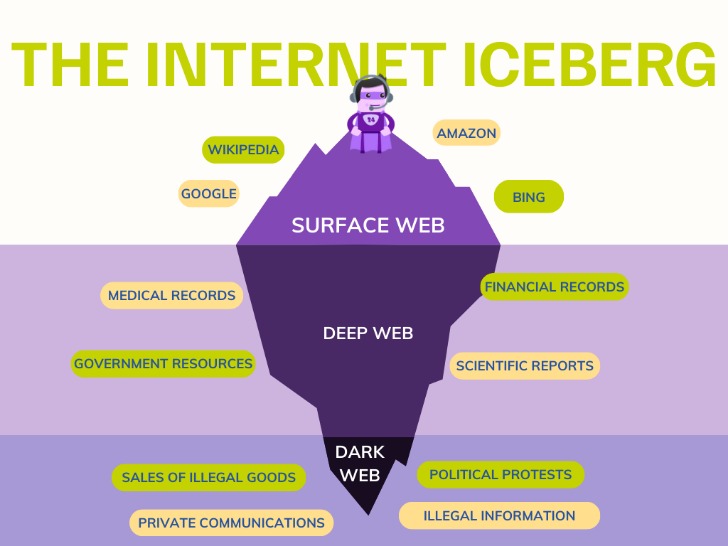
The dark web app phenomenon has increasingly gained attention as interconnectivity and digital privacy concerns rise. Often shrouded in mystery, the dark web serves as a parallel universe to the surface web, where anonymity reigns and access requires specific tools. Understanding how these applications operate can empower users to navigate this clandestine space effectively and safely.
It is worth noting that Private window with Tor isn’t as secure as using the Tor Browser itself. To access the dark net and Tor using Brave, open the browser, choose the hamburger icon from the top toolbar, and select Private window with Tor. This traffic is transmitted in a single direction through the network, making tracking almost impossible. An I2P connection is slightly more secure than Tor but is also more difficult to set up. It lets you access both the dark and regular web (although not optimized for clearnet access like Tor). The Invisible Internet Project (often shortened to I2P) uses garlic routing, a variant of Tor’s onion routing protocol.
What is the Dark Web?
For extra security, you may want to first install the Tails operating system, too. Unlike the surface web, you can’t browse the dark web using traditional search engines like Google or Bing. It helps to know what you’re looking for and install the relevant privacy and security tools ahead of time.
The dark web is a part of the internet that is not indexed by traditional search engines. It requires special software, such as Tor (The Onion Router), to access. This hidden section of the web allows users to communicate and share information without revealing their identity, fostering both positive and negative applications. While there are risks associated with traversing these uncharted waters, an understanding of its workings can be crucial for informed navigation.
How Dark Web Apps Work
Dark web apps typically operate over the Tor network, which anonymizes user data by routing internet traffic through a series of volunteer-operated servers. This process encrypts data multiple times, making it extremely difficult for anyone to trace a user’s online activities. Some popular dark web applications include:
1. Tor Browser
The Tor Browser is the most common means of accessing the dark web. It allows users to browse websites with a .onion domain, keeping their IP address hidden from potential trackers.
2. Secure Messaging Apps
Several apps provide encrypted communication among users, ensuring that messages remain private. Examples include Signal and Wickr, which sometimes facilitate anonymous communication on the dark web.
3. Marketplace Platforms
Dark web marketplaces offer a range of goods and services, from legal to illegal. These platforms operate similarly to traditional e-commerce sites but often incorporate cryptocurrency for transactions to enhance anonymity.
- You'll often see a sign in stores that says "look, don't touch," and it's not a bad adage to bear in mind as you navigate around the dark web.
- Cybersecurity has to also cover everything physically on your computer too—which law enforcement or government authorities might have the right to seize if they come calling.
- Onion sites (aka Tor sites) are websites only accessible on the dark web; you can’t view them using a regular browser.
- When you use the Tor Browser, all your traffic will automatically travel through the Tor network, which comprises thousands of volunteer-run relays.
- Scientific journals often put their articles behind a paywall and charge high fees for access, but Sci-Hub offers open access to read or download research papers.
Safety Precautions for Using Dark Web Apps
A Virtual Private Network (VPN) adds an extra layer of security when accessing the dark web, obscuring users' IP addresses and encrypting their internet traffic. Never share personal identifiable information (PII) on the dark web. Maintain anonymity by using pseudonyms and avoiding the use of identifiable accounts or email addresses. Scammers are prevalent on the dark web, so it’s essential to exercise caution. Always verify the reliability of marketplaces and services before making any transactions. The dark web app ecosystem presents both opportunities and risks. By understanding its intricate workings and embracing appropriate safety measures, users can navigate this underworld more effectively. Knowledge is empowerment; with awareness and vigilance, individuals can protect themselves while exploring the depths of the dark web.
1. Use a VPN
2. Avoid Personal Information
3. Be Wary of Scams
Conclusion