The dark web com is a fascinating yet often misunderstood realm of the internet. It represents a part of the web that is not indexed by standard search engines, making it somewhat elusive. While often associated with illegal activities, the dark web also serves legitimate purposes, including privacy protection, whistleblowing, and circumventing censorship. This article aims to shed light on the components and implications of the dark web, empowering readers with the knowledge to navigate it responsibly and safely.
Infiltrations can put you at risk of monitoring for other types of activity as well. Any online activity can carry breadcrumbs to your identity if someone digs far enough. The threats of online browsing can extend into the unplugged world if your computer or network connection can be exploited. It is often offered in some portals to give threat actors the tools for cyberattacks. While it is not illegal as a whole, unsavory activity does live in many parts of the dark web.
You can browse to it if you know the URL, but it won’t appear in a Google search. The content management system into which I am typing this article is on the Deep Web. The spouses of Ashley Madison users received blackmail letters demanding they pay $2500 in Bitcoin or have the infidelity exposed. Hackers stole the data and threatened to upload it to the web if the site did not close down, and they eventually acted on that threat. Infamous examples of Dark Web sites include the Silk Road and its offspring, such as Dream Market. The visitor has to use the same encryption tool as the site and – crucially – know where to find the site, in order to type in the URL and visit.
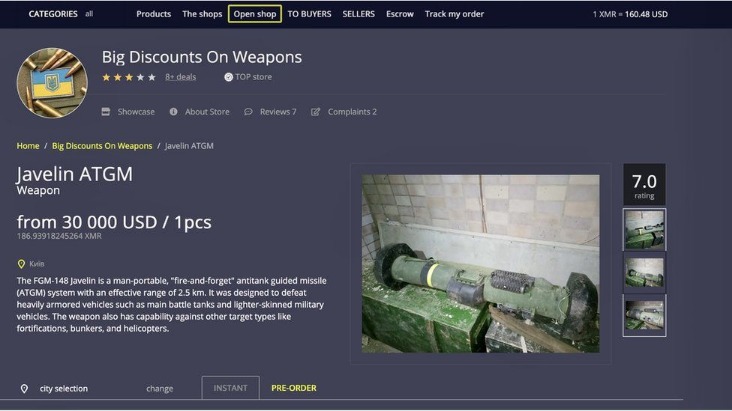
The deep web constitutes over 90% of online content and is inaccessible via search engines. To access the dark web safely, it’s necessary to use a dark web browser like Tor in combination with trusted dark web directories and search engines to help you find reliable sites. The dark web hosts a variety of content, including anonymous forums, marketplaces selling illegal goods (like drugs and weapons), hacking services, and information stolen in data breaches. After all, some websites on the deep web are like those on the open internet, except that they are hidden behind a paywall or protected via passwords to limit access. Some content and services on the deep web are indexed by search engines, but paywalls or password protection prevent access. The dark web is part of the hidden web, which comprises non-indexed websites that are mostly used for illegal and illicit activity.
Understanding the Structure of the Dark Web
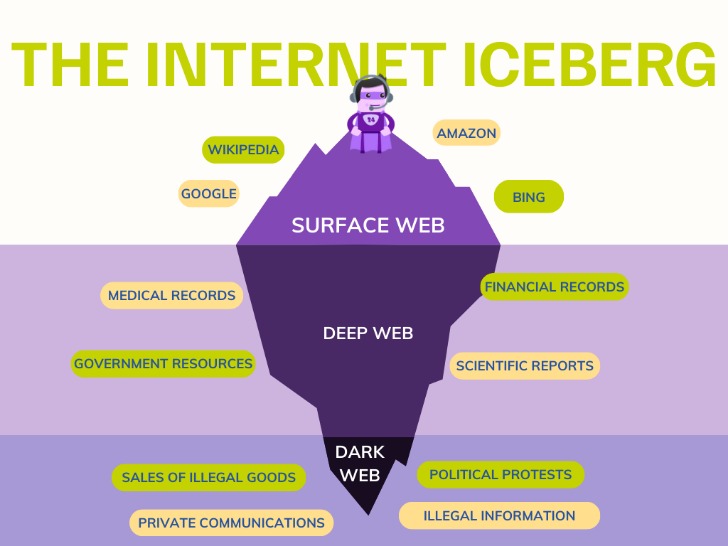
The internet is broadly divided into three segments: the surface web, deep web, and dark web. The surface web comprises sites indexed by search engines like Google. In contrast, the deep web includes any content not indexed by these engines, such as private databases and membership sites.
- In that climate, the dark web’s anonymity tools serve as a digital lifeline for journalists, whistleblowers and ordinary citizens who need uncensored information.
- Cybercriminals moved laterally through their ingress points before stealing credentials that allowed them to query its databases, systematically siphoning off stolen data.
- He has a bachelor's degree in English Literature from Durham University, where he also spent a term as editor of the award-winning student newspaper Palatinate.
- My interests lie in unraveling the hidden layers of the internet, including the Deep Web and Dark Web, and understanding their impact on cybersecurity.
The dark web com is a small portion of the deep web, intentionally hidden and requiring specific software, configurations, or authorization to access. The most common tool to access the dark web is Tor (The Onion Router), which anonymizes user data and helps maintain privacy.
The Technology Behind the Dark Web
Accessing the dark web is facilitated by special browsers like Tor. This technology works by routing your connection through multiple servers, encrypting data along the way. As a result, it masks the original IP address, providing users with anonymity. However, this same feature attracts illicit activity, making it essential for users to understand both the risks and benefits of navigating this hidden part of the internet.
Legitimate Uses of the Dark Web
While often tarnished by its association with criminality, the dark web com also serves constructive purposes. Here are a few legitimate uses:
- Whistleblowing: Platforms on the dark web enable individuals to expose corruption or wrongdoing within organizations without fear of retaliation.
- Political Activism: In oppressive regimes, the dark web allows activists to communicate and organize without government surveillance.
- Privacy Protection: The dark web provides a haven for those seeking to protect their digital footprint from governments or corporations.
Risks Associated with the Dark Web
Despite its potential for positive use, engaging with the dark web com comes with significant risks. Users may encounter:
- Illegal Content: The dark web hosts illicit marketplaces selling everything from drugs to stolen data, making it easy to inadvertently engage in illegal activities.
- Scams: Many sites operate with deceptive practices, targeting unwary users and providing little recourse for victims.
- Cybersecurity Threats: Malware and other security threats are prevalent, putting personal information and devices at risk.

Staying Safe While Exploring the Dark Web
If you choose to explore the dark web com, it is vital to adopt safety measures to protect your identity and information:
- Use a VPN: A Virtual Private Network can provide additional security and anonymity.
- Avoid Sharing Personal Information: Be vigilant about the information you disclose.
- Use Reputable Sources: Stick to well-known and trusted sites to minimize risks.
Conclusion
The dark web com encompasses a complex landscape where both risk and opportunity coexist. Understanding its workings can empower individuals to utilize it for legitimate purposes while being wary of the dangers. Awareness and education are crucial, as informed users are better equipped to navigate this intriguing part of the internet safely.