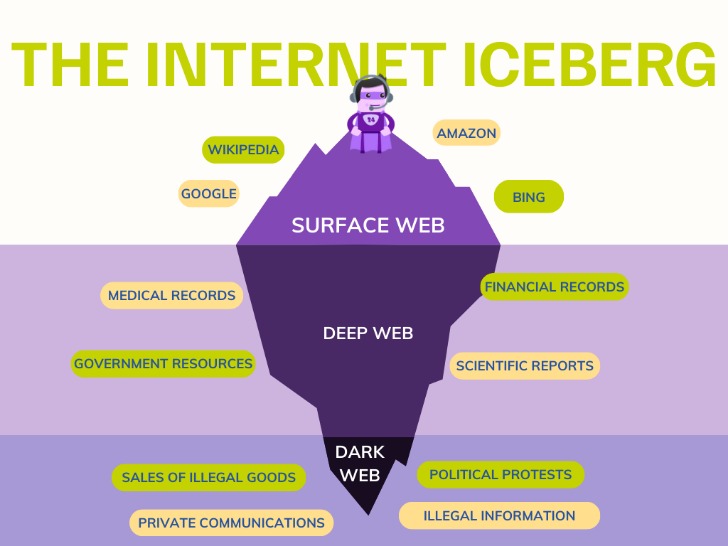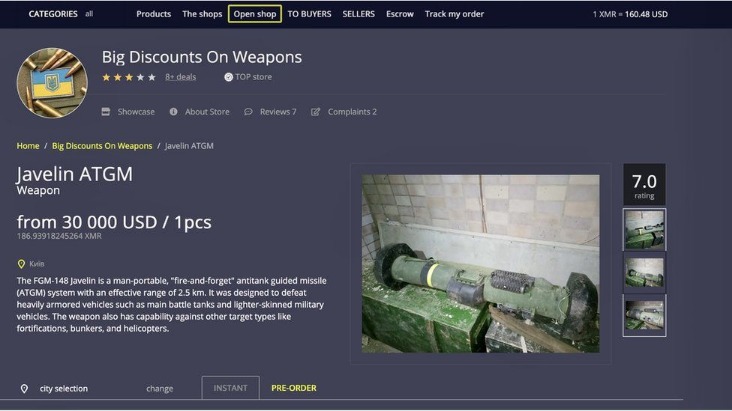
Unlike Facebook, the privacy policy of the DWSN requires that members are to reveal absolutely no personal information and remain anonymous. There are at least some real and fraudulent websites claiming to be used by ISIL (ISIS), including a fake one seized in Operation Onymous. In 2018, an individual named Ahmed Sarsur was charged for attempting to purchase explosives and hire snipers to aid Syrian terrorists, as well as attempting to provide them financial support, all through the dark web. With the introduction of Bitcoin, anonymous transactions were created which allowed for anonymous donations and funding. Terrorist organizations took to the internet as early as the 1990s; the birth of the dark web attracted these organizations due to the anonymity, lack of regulation, social interaction, and easy accessibility. At the time, Playpen was the largest child pornography website on the dark web with over 200,000 members.
Verify essential details such as the card number, expiration date, and CVV code. Avoid sharing personal or financial information that is not necessary for the transaction. Consider factors such as the type of card, issuing bank, credit limit, and validity period.
The practice drives significant financial losses, fuels identity theft, and remains a persistent threat across the cyber crime landscape. There’s an underground ecosystem where sensitive data is bought, sold, and traded—not just on the dark web, as you might expect, but also on publicly accessible websites, channels, and forums. Some fullz even include photos or scans of identification cards, such as a passport or driver’s license. Most of use just have the standard personal account, but Premier and Business accounts also exist, and are up for sale on the dark web.
The dark web has long fascinated the public, often depicted in movies and novels as a shadowy underworld where anything can be bought or sold. Among the most illicit items traded are stolen credit card information and financial data. Understanding how these transactions occur on the dark web is crucial for both awareness and prevention of identity theft and financial fraud. This article explores the dynamics of dark web buy credit cards, detailing how they are acquired, the risks involved, and the measures individuals can take to protect themselves.
- Malware—malicious software—infects a user’s computer, phone, or device to secretly record keystrokes, steal stored information, or redirect online transactions.
- With stolen payment cards, a cybercriminal can immediately make purchases under your name, or even drain your bank account.
- In this post, we’ll cover how credit card fraud operates on the dark web, how criminals obtain and trade card data, and cover some essential prevention strategies.
- To find the best one to meet your needs, just go through the chart above or read our reviews of the top services on the market.
- To affirm terms and conditions, tap the "Apply Now" to learn more about the credit offer on a secure page provided by the card issuer(s).
Dark Web Buy Credit Cards
When we talk about the dark web buy credit cards scenario, we enter an area where anonymity reigns supreme. The dark web is accessed through specialized software, such as Tor, which enables users to remain unidentified. This privacy is often a double-edged sword: while it can have legitimate uses, it also facilitates illegal activities, including the trading of stolen credit card data.
How Credit Card Information is Obtained
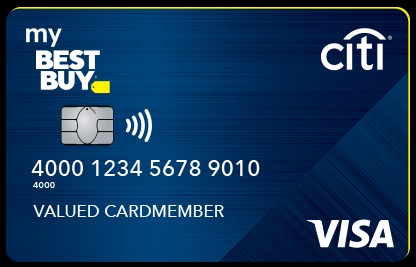
Credit card information often finds its way onto the dark web through various means, the most common being data breaches. Cybercriminals exploit vulnerabilities in company systems, stealing personal information during security lapses. Additionally, phishing scams trick individuals into voluntarily providing their financial details. Once secured, this data is often sold in bulk on dark web marketplaces.
The Process of Purchasing Credit Cards on the Dark Web

For someone intending to make a purchase, the process generally involves the use of cryptocurrency to maintain anonymity. After accessing the dark web, users navigate through various marketplaces where stolen credit card information is listed. These platforms can be difficult to navigate, requiring knowledge of specific forums and currency transactions. Buyers typically seek cards with high credit limits and low reported usage to minimize risk before they attempt to use the stolen information.
Risks Associated with Dark Web Transactions
- The marketplace facilitated the trafficking of over 15 million payment card numbers and personally identifiable information.
- Customers whose payment information was stolen are less likely to want to continue doing business with your organization after a hack and your organization may sustain long-lasting reputational damage.
- Stricter regulations surrounding data privacy, customer authentication, and incident reporting are likely, particularly in regions like the United States and the European Union.
- Card data is a hot commodity on the dark web, with credit card details and cloned cards being sold to cybercriminals.
- I am particularly fascinated by the dynamics of malware, Advanced Persistent Threats (APTs), and the challenges posed by hidden online environments.
Engaging in the purchase of dark web buy credit cards is fraught with significant risks. Firstly, the legal ramifications can be severe, with law enforcement agencies actively monitoring dark web activities. Users risk severe penalties, including fines and imprisonment. Additionally, fraudsters often operate on these platforms, leading to scams where buyers can lose their cryptocurrency without ever receiving the promised goods. Lastly, purchasing stolen credit cards perpetuates a cycle of theft that ultimately harms innocent individuals.
Protecting Yourself from Dark Web Implications
Awareness is the first line of defense against the implications of the dark web buy credit cards market. Individuals should regularly monitor their financial statements for unauthorized transactions. Utilizing services that offer credit monitoring can also help detect unusual activity. Taking advantage of strong, unique passwords and two-factor authentication can significantly reduce the risk of becoming a victim of identity theft. Furthermore, educating yourself about the methods employed by cybercriminals increases your ability to recognize and avoid potential pitfalls.
Conclusion
While the allure of the dark web might present a certain intrigue, the activities conducted there are dangerous and illegal. Understanding the dynamics of how stolen credit cards are bought and sold can serve as a crucial tool for individuals seeking to protect their personal information. By staying informed and vigilant, you can safeguard your financial wellbeing and contribute to the larger fight against cybercrime.